Who May Benefit from Mole Monitoring?
Mole monitoring may be considered for patients with:
- Multiple moles
- Atypical-appearing moles
- Numerous pigmented lesions
- Lesions that are difficult to assess at one appointment
- An increased risk of melanoma
- A need for ongoing skin surveillance
Not every mole requires the same approach. Your doctor will assess the lesion and consider relevant risk factors before recommending whether monitoring is appropriate and when it should be reviewed.
How Are Moles Monitored?
Mole monitoring may involve different assessment methods depending on your individual circumstances. These can include:
- Clinical skin examination
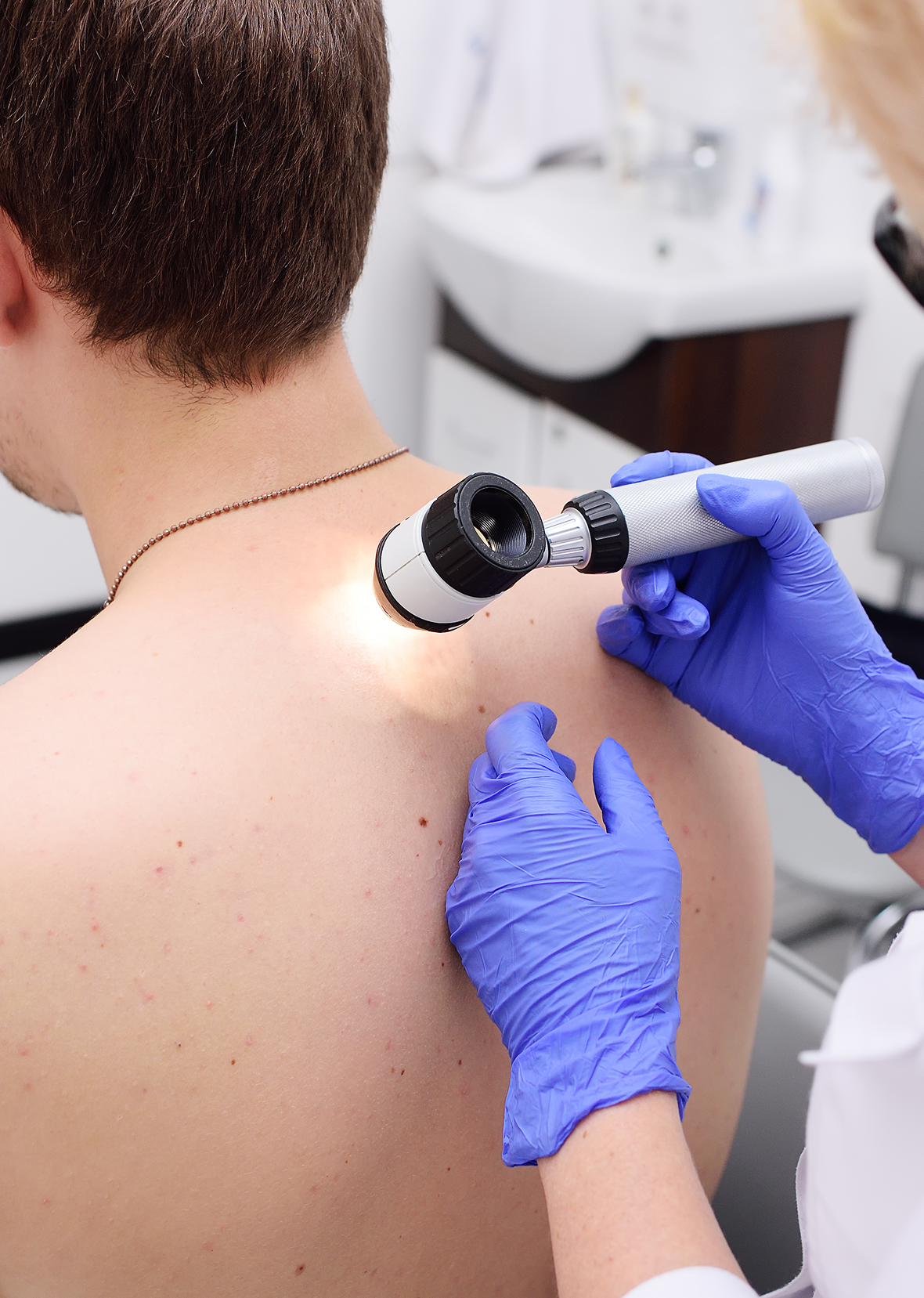
- Dermoscopic examination
- Comparison with previous dermoscopic images
- Total Body Photography where appropriate
- Follow-up examinations at an interval recommended by your doctor
Previous images can provide a useful reference when assessing whether a lesion has remained stable or developed changes. If a monitored mole becomes concerning, your doctor may recommend further investigation, such as a biopsy or complete surgical removal.
Monitoring Does Not Mean Ignoring a Mole
Being advised to monitor a mole does not mean you should stop paying attention to it. If you notice a significant change between scheduled appointments, contact the clinic rather than waiting for your next routine review.
Changes may include:
- An increase in size
- A change in shape or border
- A change in colour
- New or persistent symptoms
- Bleeding or crusting
- Persistent itching or irritation
- A new or unusual lesion
If something looks noticeably different or concerns you, arrange an assessment so your doctor can determine whether earlier review is appropriate.
Ongoing Skin Surveillance at Penrith Skin Cancer Clinic
At Penrith Skin Cancer Clinic, mole monitoring can be incorporated into an ongoing skin surveillance plan where clinically appropriate. Our doctors can assess moles and pigmented lesions through clinical examination and dermoscopy, with Total Body Photography considered where suitable.
If you have multiple moles, an atypical-looking lesion or a mole that concerns you, our team can assess your skin and discuss whether regular monitoring may be appropriate for you.