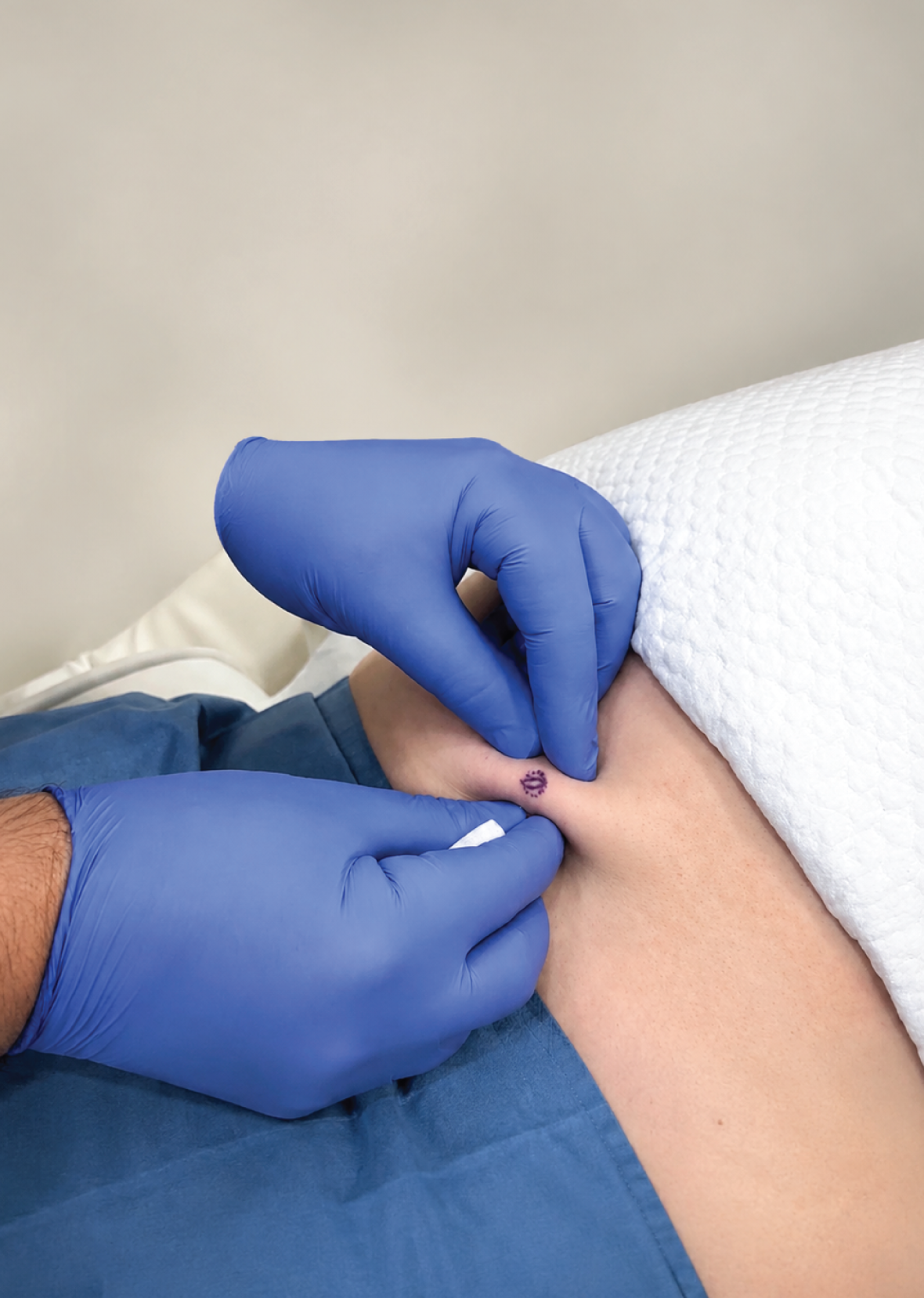
What Types Of Lumps Can Be Assessed?
Lumps, bumps and cysts can develop for various reasons and may not always require treatment. When removal is recommended, having the area professionally assessed first helps determine the most appropriate approach.
Examples that may be assessed include:
- Cysts
- Lipomas
- Benign skin lumps
- Irritated or troublesome lesions
- Uncertain lumps requiring diagnosis
- Other unexplained skin growths
Not every lump requires removal. A professional assessment can help determine what the lump may be and whether treatment is appropriate.
What Does Excision Involve?
The doctor will discuss the proposed procedure with you before treatment. Where indicated, the removed tissue may also be sent to pathology for examination.
When Should a Lump Be Assessed?
A new or changing lump should not automatically be assumed to be harmless. Consider arranging a professional assessment if a lump:
- Is increasing in size
- Changes in appearance
- Becomes painful or tender
- Bleeds
- Becomes repeatedly irritated
- Does not heal
- Is new or unexplained
Some skin cancers can resemble benign lumps or bumps, making appropriate assessment important before deciding whether a lesion should simply be monitored or removed.
Have Your Lump or Bump Assessed
We provide assessment and treatment for a range of skin concerns, including suspicious and unexplained lesions. Dr Mesbah Alam holds a Diploma in Skin Cancer Medicine and Surgery and a Diploma in Dermatoscopy, supported by a wider team with experience in skin cancer diagnosis and surgery.
Whether you have noticed a new lump, an existing bump that is changing or a lesion that has become troublesome, our professional assessment can help determine the appropriate next step.