
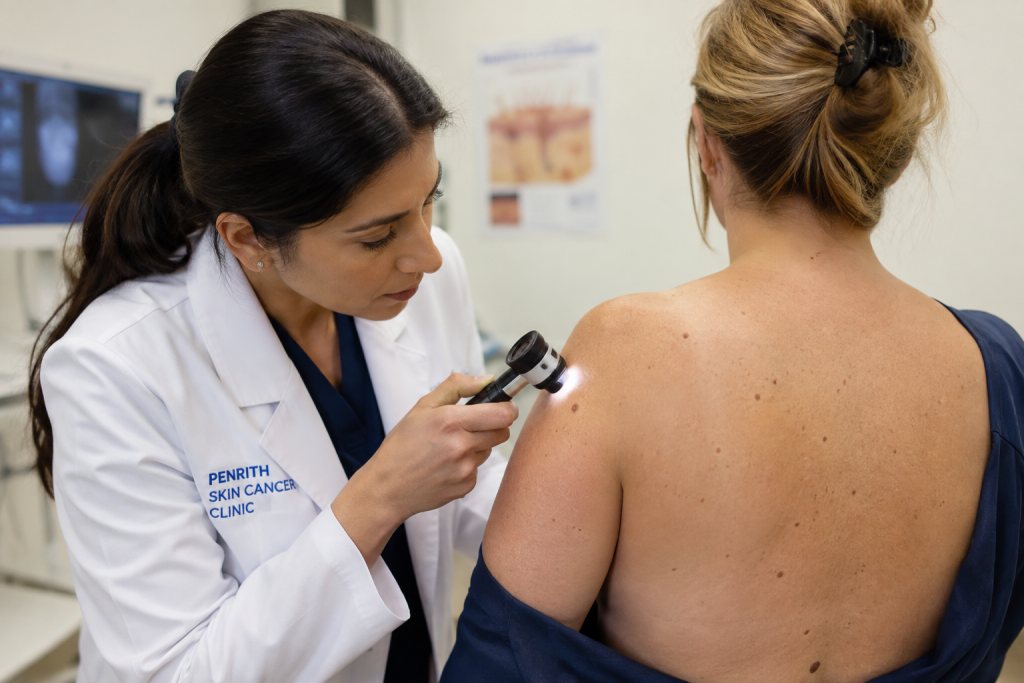
Surgical excision is a common treatment for many types of skin cancer. It involves removing the cancerous area along with an appropriate margin of surrounding tissue to help achieve complete removal while considering the appearance and function of the affected area. At Penrith Skin Cancer Clinic, our doctors perform skin cancer excisions where clinically appropriate. The recommended approach will depend on factors such as the type, size, location and characteristics of the skin cancer, as well as relevant pathology findings.
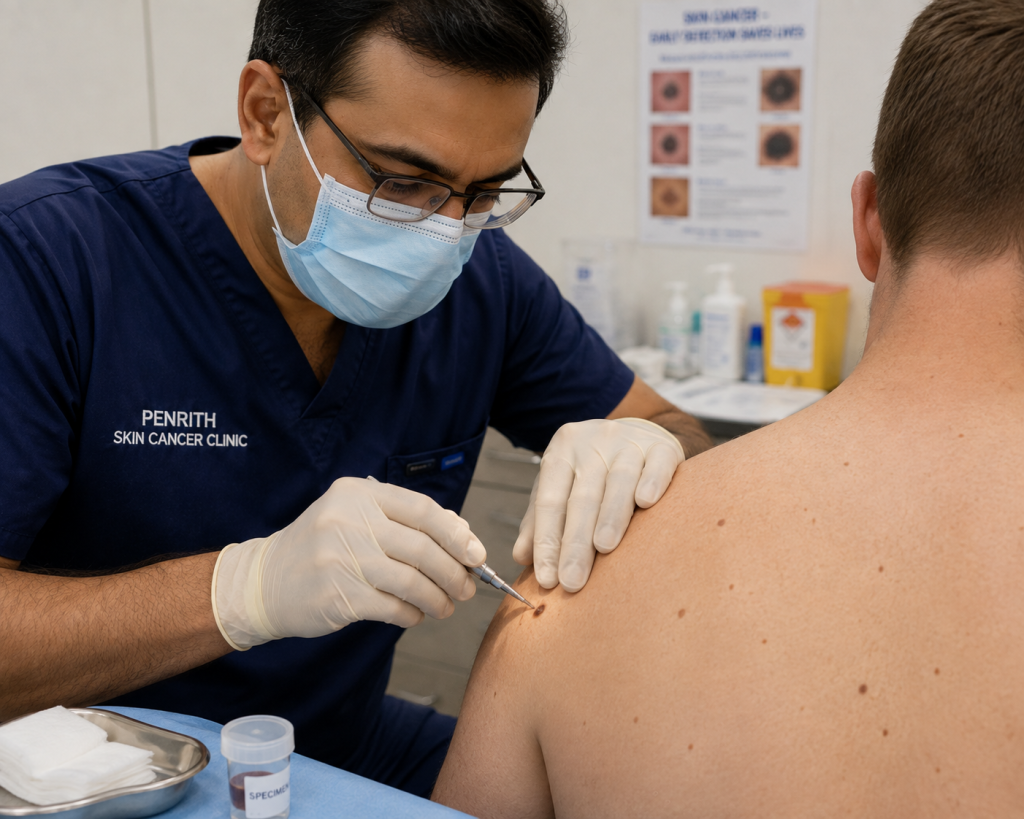
Skin Biopsies
A skin biopsy is a procedure used to obtain a small sample of tissue so it can be examined by a specialist pathologist. It can provide important information when a skin lesion requires further investigation or when its diagnosis cannot be confirmed through clinical examination alone. At Penrith Skin Cancer Clinic, your doctor may recommend a biopsy if a mole, growth or other skin lesion appears concerning or requires closer investigation. The procedure selected will depend on factors such as the appearance, size and location of the lesion.
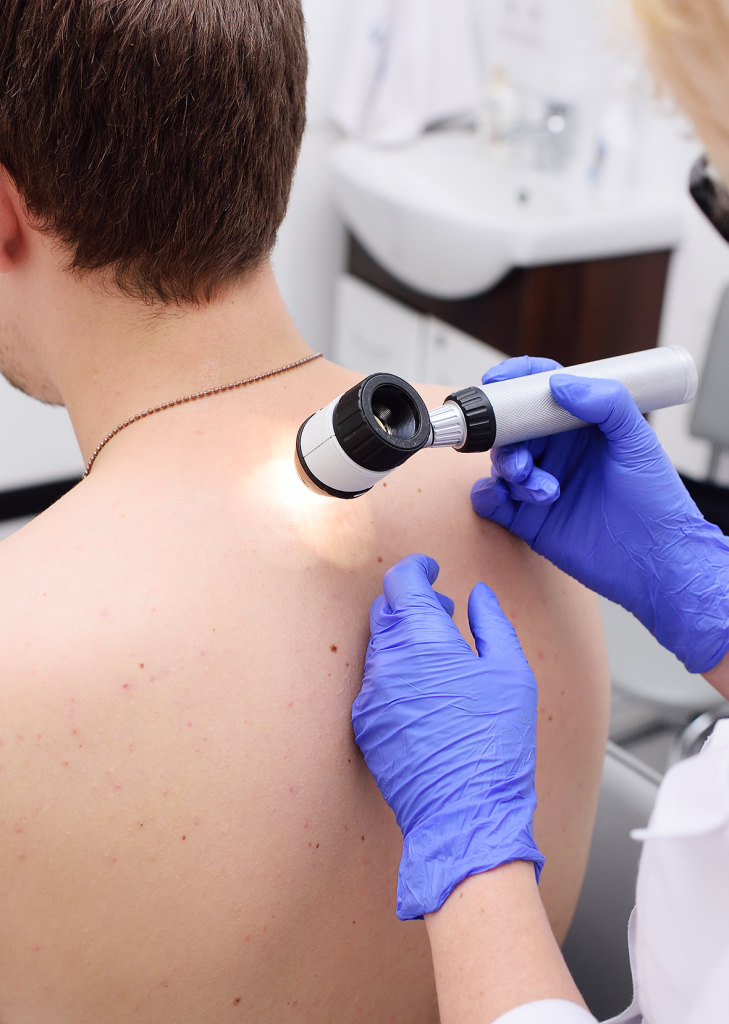
Mole Monitoring
Some moles and pigmented lesions may not require immediate removal but may benefit from careful monitoring. Keeping track of a lesion over time can help your doctor determine whether it remains stable or develops changes that require closer assessment. At Penrith Skin Cancer Clinic, mole monitoring can form part of a personalised skin surveillance plan. Our doctors can assess individual lesions using clinical examination and dermoscopy where appropriate, then recommend follow-up based on the lesion's appearance and your individual risk factors.
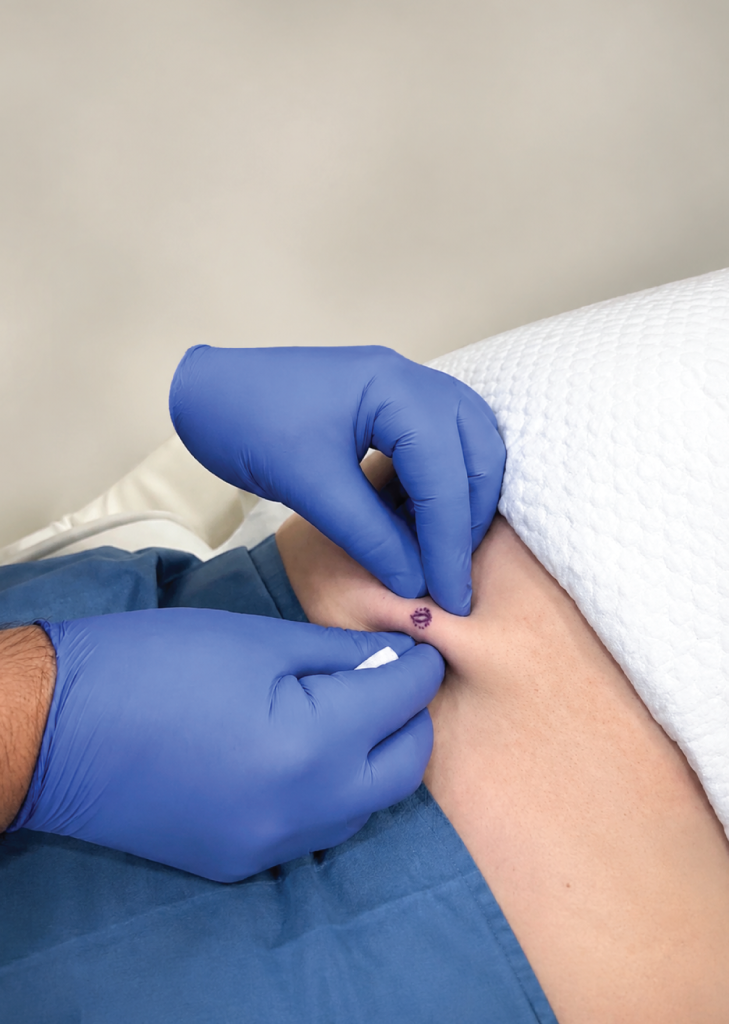
Excision of Lumps & Bumps
Skin lumps and bumps are common and can develop for many different reasons. Many are harmless, but some may become uncomfortable, repeatedly irritated, increase in size or require further investigation to establish what they are. At Penrith Skin Cancer Clinic, our doctors can assess suitable lumps, bumps and cysts and determine whether removal is appropriate. Depending on the clinical findings, monitoring, further investigation or excision may be recommended.
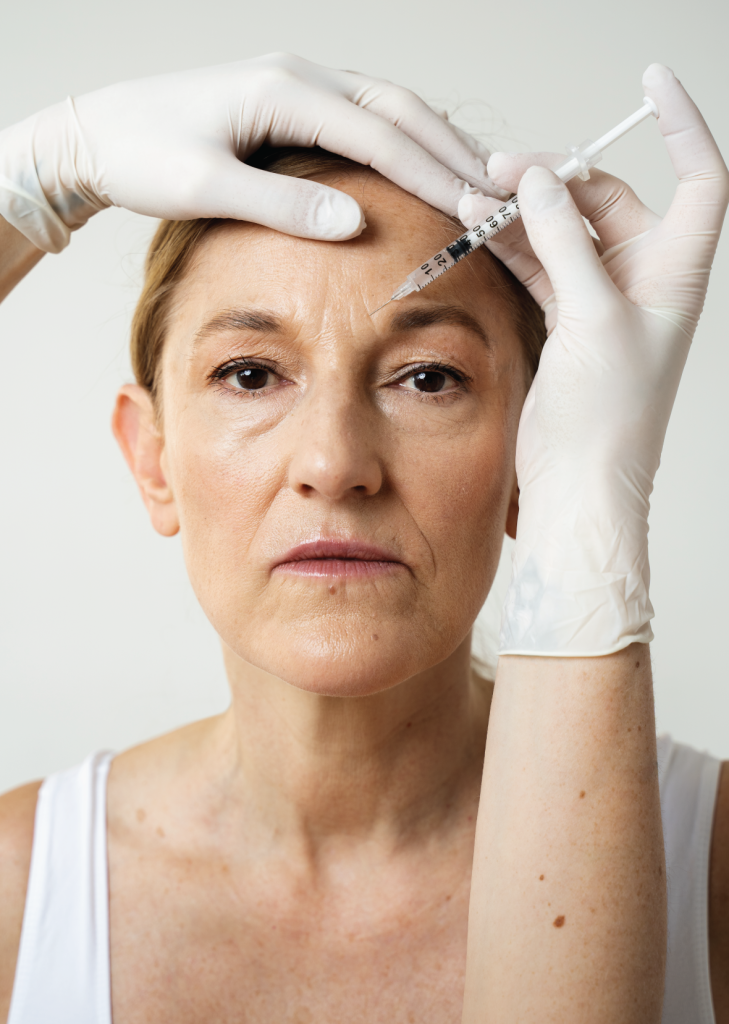
Anti-Wrinkle Injections
Anti-wrinkle injections are a cosmetic treatment used to temporarily reduce the appearance of certain facial expression lines. By targeting specific muscles involved in repetitive facial movements, treatment may help create a smoother, more refreshed appearance. At Penrith Skin Cancer Clinic, anti-wrinkle treatment begins with an individual assessment and a discussion about your expectations. Your doctor will consider your facial anatomy, muscle activity and desired outcome before developing a suitable treatment approach.
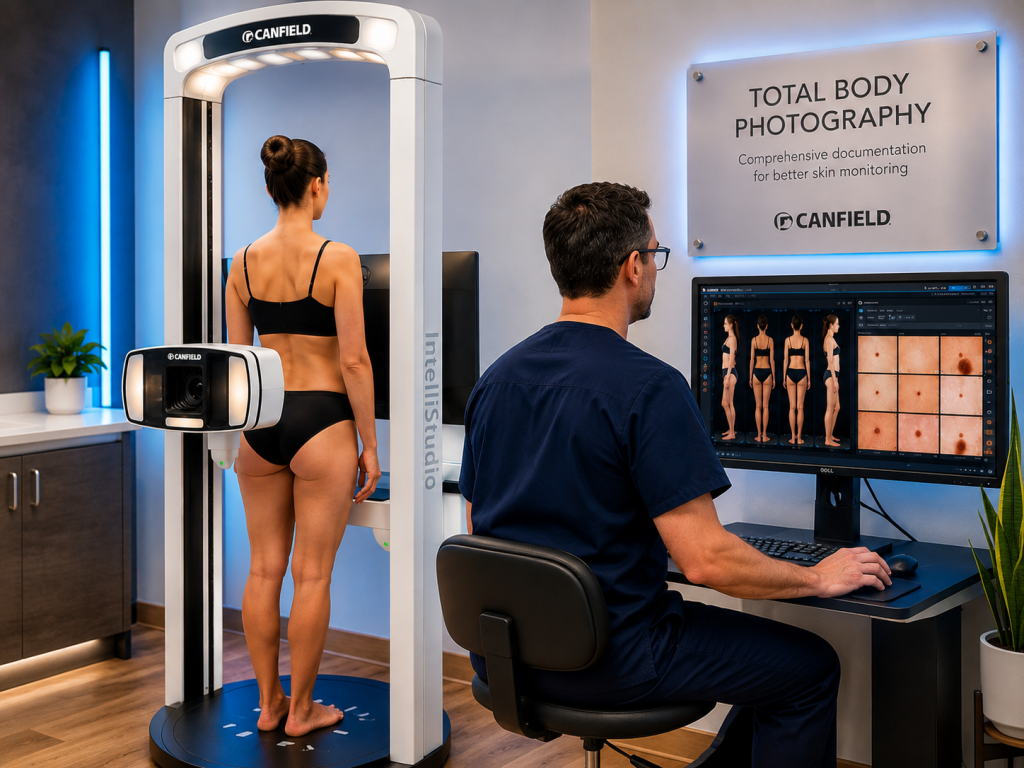
Total Body Photography
Total body photography creates a detailed visual record of your skin, helping doctors compare changes over time and support more informed monitoring of moles, lesions and other skin concerns. At Penrith Skin Cancer Clinic, Total Body Photography can be used as part of a personalised skin surveillance program, particularly for patients with multiple moles or an increased risk of melanoma.
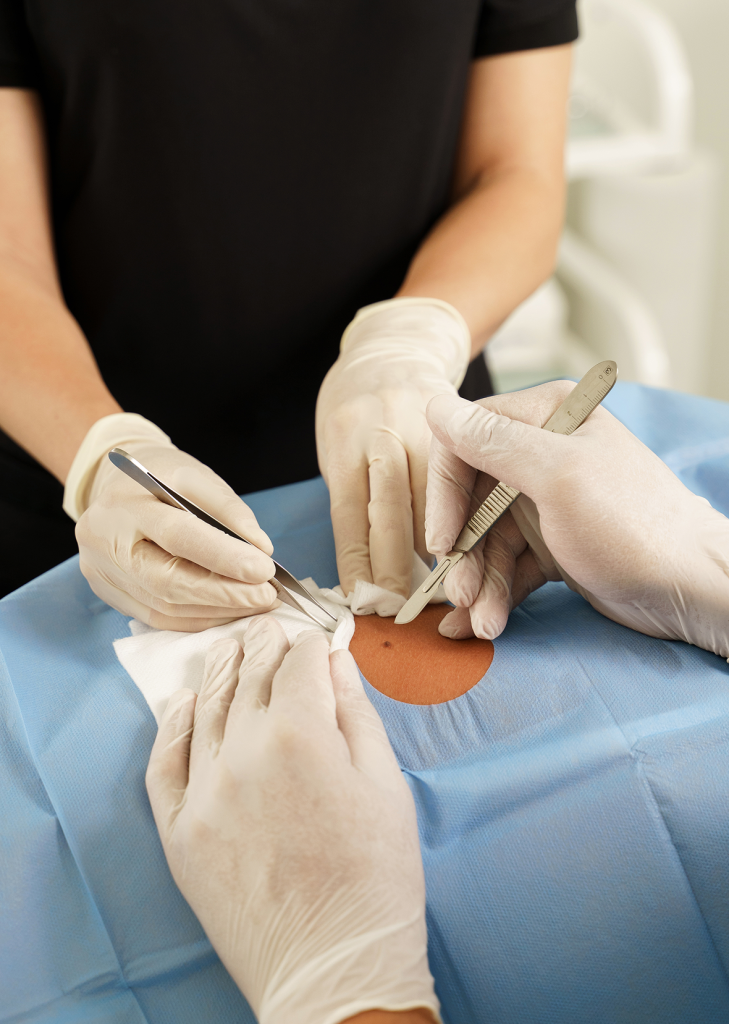
Surgical & Non-Surgical Skin Cancer Treatment
Skin cancer treatment needs to be tailored to the individual patient and the particular lesion. Different skin cancers can vary in type, size, depth, location, and behaviour, so treatment should be selected based on the clinical findings. At Penrith Skin Cancer Clinic, our doctors assess the skin cancer and the surrounding area before recommending the most appropriate treatment. Where necessary, further assessment or pathology may be used to help guide treatment decisions.
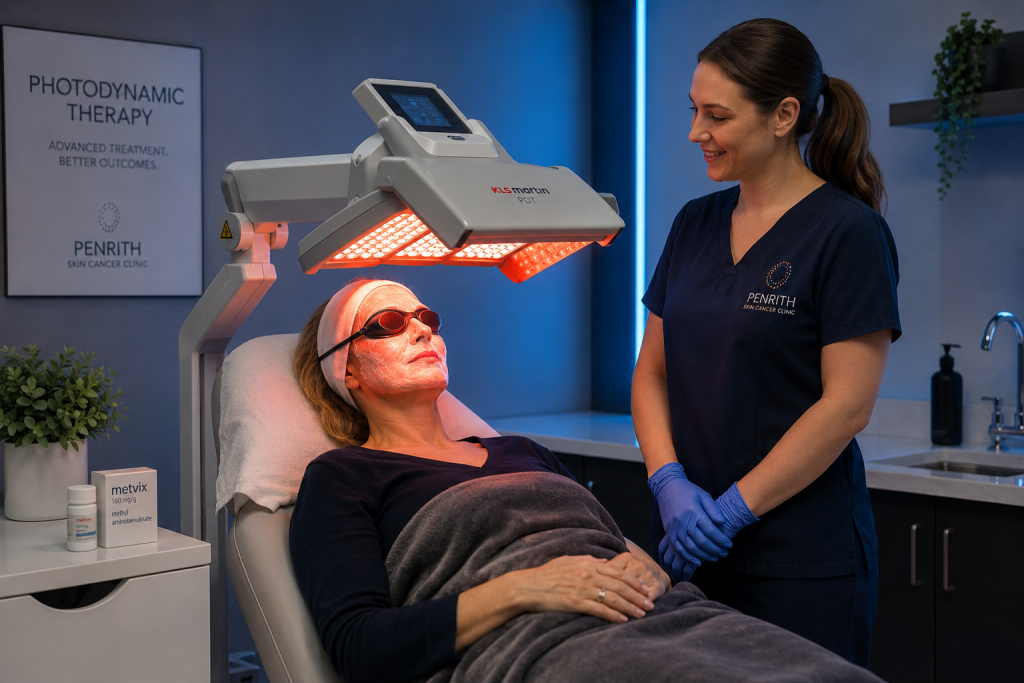
Photodynamic Therapy (PDT)
Photodynamic Therapy (PDT) is a non-surgical treatment that may be used for selected superficial skin lesions and areas affected by sun damage. It uses a photosensitising medication and controlled light exposure to target abnormal cells. At Penrith Skin Cancer Clinic, PDT may be considered when clinically appropriate for the type, depth and extent of the lesion. Your doctor will assess your skin and discuss whether this treatment is suitable for your individual circumstances.
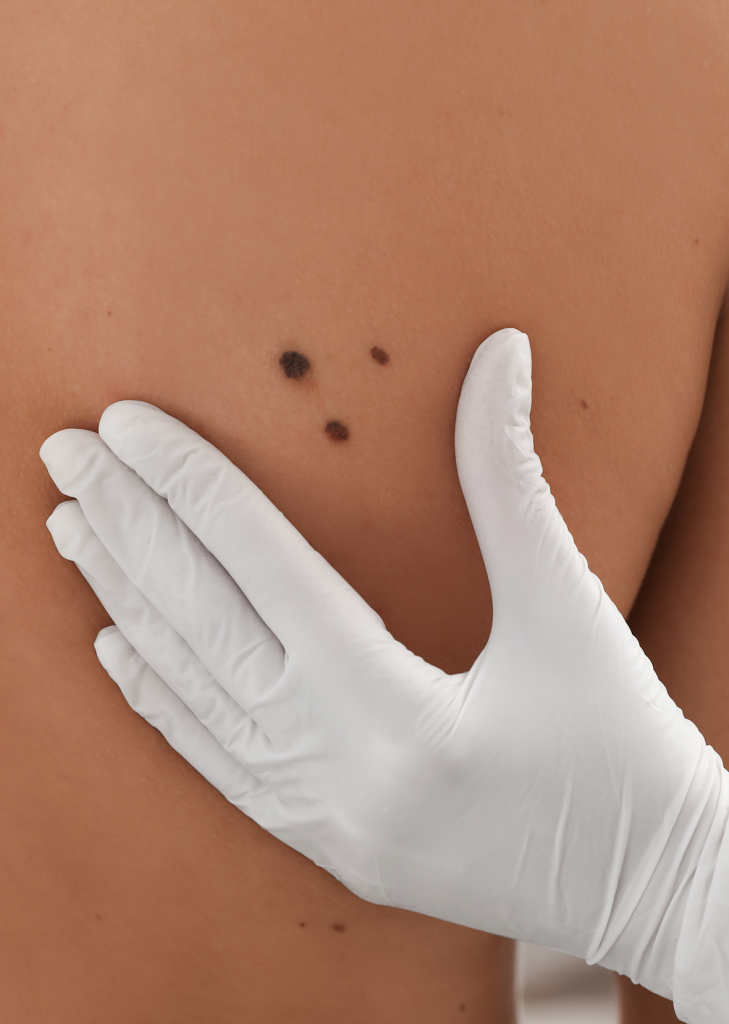
Mole & Lesion Assessment
Not every mole or skin lesion is the same. While many spots may be harmless, a new, changing or unusual lesion can sometimes require further assessment. Knowing what to look for and having concerning changes checked by an experienced doctor can provide greater clarity and peace of mind. At Penrith Skin Cancer Clinic, our doctors assess moles and other skin lesions through careful clinical examination, supported by dermoscopy where appropriate. A detailed assessment can help determine whether a lesion appears benign, requires monitoring or needs further investigation.
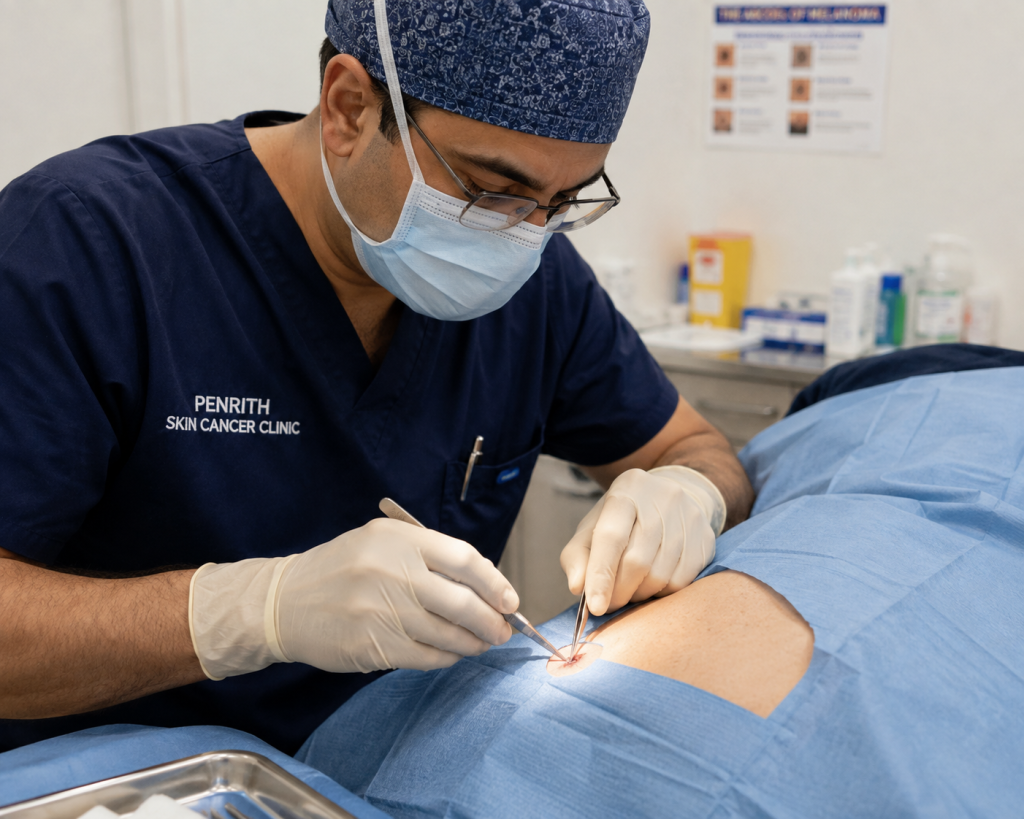
Comprehensive Skin Checks
A professional skin check can help identify suspicious changes early. At Penrith Skin Cancer Clinic, experienced skin cancer doctors provide a careful assessment to identify suspicious moles, spots, and other skin lesions. Our skin checks involve a thorough examination of the skin, with dermoscopy used where appropriate to assess lesions that the naked eye may not easily distinguish.